logo
Tap to call now
Call Now(682) 990-9844

Tree Disease Treatments That Help Fort Worth Oak, Elm, and Pecan Trees Stay Healthy

Targeted disease diagnosis, treatment, and canopy care for trees across Fort Worth, TX.

Request a free quote or call us now!

Diagnose, Treat, and Protect: Local Tree Disease Care from Experienced Specialists

Across Saginaw, Haltom City, North Richland Hills, Keller, and Colleyville, trees deal with a steady mix of disease pressure each year. Oak wilt can move through connected root systems, while fungal problems often worsen in heavy clay soil and humid weather. Experienced tree care professionals in Fort Worth know how to identify these issues and can combine disease treatment with professional tree fertilizing to help trees recover strength after infection.

In places such as Burleson, Euless, Bedford, and Arlington, older residential landscapes often show early symptoms that are easy to miss until the problem has advanced. Leaf discoloration, odd bark changes, early leaf drop, and wood that feels soft or appears to weep can all point to disease. Pairing tree disease treatments with expert insect management is especially important because pests often create openings for secondary infections, particularly in trees stressed by compacted soil or drought conditions common across Fort Worth.
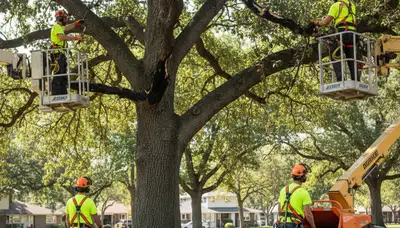
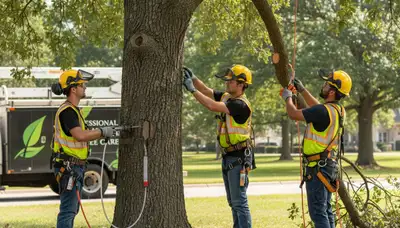
Fort Worth, TX arborist treating tree disease for healthier trees at Arbor Tree CareFort Worth, TX arborist treating tree disease for healthier trees and expert tree care

What service are you looking for?
Expert

Prefer to Talk to An Expert?

(682) 990-9844

What Local Tree Care Specialists Can Do for Your Trees and Landscape

From accurate diagnosis to ongoing monitoring, local professionals provide treatments tailored to the tree species and soil conditions found throughout Fort Worth and nearby communities.

Fungal and Bacterial Disease Diagnosis

The right treatment starts with knowing exactly what is affecting the tree. In Haslet, Azle, and Willow Park, properties often include both native and ornamental trees that do not respond the same way to fungal or bacterial infection, so careful diagnosis guides every next step.

Get Free Estimate

Oak Wilt and Hypoxylon Canker Treatment

Oak wilt can spread rapidly through root grafts between nearby trees, which makes it a serious concern in tightly planted neighborhoods across Southlake, Westlake, and Kennedale. Treating affected trees early and installing root barriers can help slow transmission and safeguard nearby oaks. Adding reliable root protection can further reduce stress on the root system during and after treatment.

Request Inspection

Soil-Based and Environmental Disease Management

Fort Worth’s clay-heavy soils retain water in ways that can encourage root rot and other soil-borne diseases. Improving drainage, correcting soil conditions, and using targeted treatments help trees in areas like Grand Prairie and Crowley remain healthier through wet winters and hot, dry summers.

Get Free Estimate

Preventive Treatment Programs

Preventive care is often easier and less costly than restoring a declining tree. Scheduled inspections and planned treatments help stop disease before it spreads. In communities like Newark and Naval Air Station/JRB, where mature shade trees add comfort and value, a prevention plan supported by quality tree pruning services helps improve airflow, open the canopy, and lower disease pressure throughout the year.

Request Inspection


Our Tree-Service Services
in Fort Worth, TX, Include


How Local Pros Take Care of Your Trees Year-Round

Tree disease treatment is rarely a one-time visit. Conditions change through the seasons across Fort Worth, so a year-round plan gives trees the most consistent support.

Fort Worth, TX, Tree Disease Treatments for Regular Service

Spring and early summer bring the highest disease activity in Fort Worth. Rising temperatures and more moisture create favorable conditions for fungal spread, especially in places like Hurst and North Richland Hills where dense canopies can limit airflow. Regular inspections during this season help catch problems early and keep treatment more manageable.

Schedule Regular Service Tree Disease Treatments

Fort Worth, TX, Tree Disease Treatments for Intensive Service

By mid to late summer, drought stress can weaken a tree’s natural defenses and make recovery harder. Trees in Burleson, Colleyville, and Keller that are already coping with compacted soil and heat are especially vulnerable. Intensive treatment at this stage may include soil injections, canopy applications, and coordination with professional storm damage assessments when storms leave wounds that can invite infection.

Schedule Intensive Service Tree Disease Treatments

Fort Worth, TX, Tree Disease Treatments for Maintenance Service

Fall is an ideal time to review how trees handled the season’s stress and apply protection before dormancy begins. In communities like Southlake, Azle, and Euless, maintenance visits let arborists track disease progression, remove damaged wood, and prepare trees for a stronger start in spring without interrupting the dormancy cycle.

Schedule Maintenance Service Tree Disease Treatments

Fort Worth, TX, Emergency Tree Disease Treatments

Some tree diseases move fast and need immediate attention to reduce the risk of tree loss or spread to nearby trees. Sudden wilting, rapid bark breakdown, or fungal growth spreading across multiple branches are all signs that a delay could make matters worse. Serving properties in Arlington, Saginaw, Grand Prairie, and Bedford, the team responds quickly to emergency disease calls and works to stabilize affected trees as soon as possible.

Schedule Emergency Tree Disease Treatments
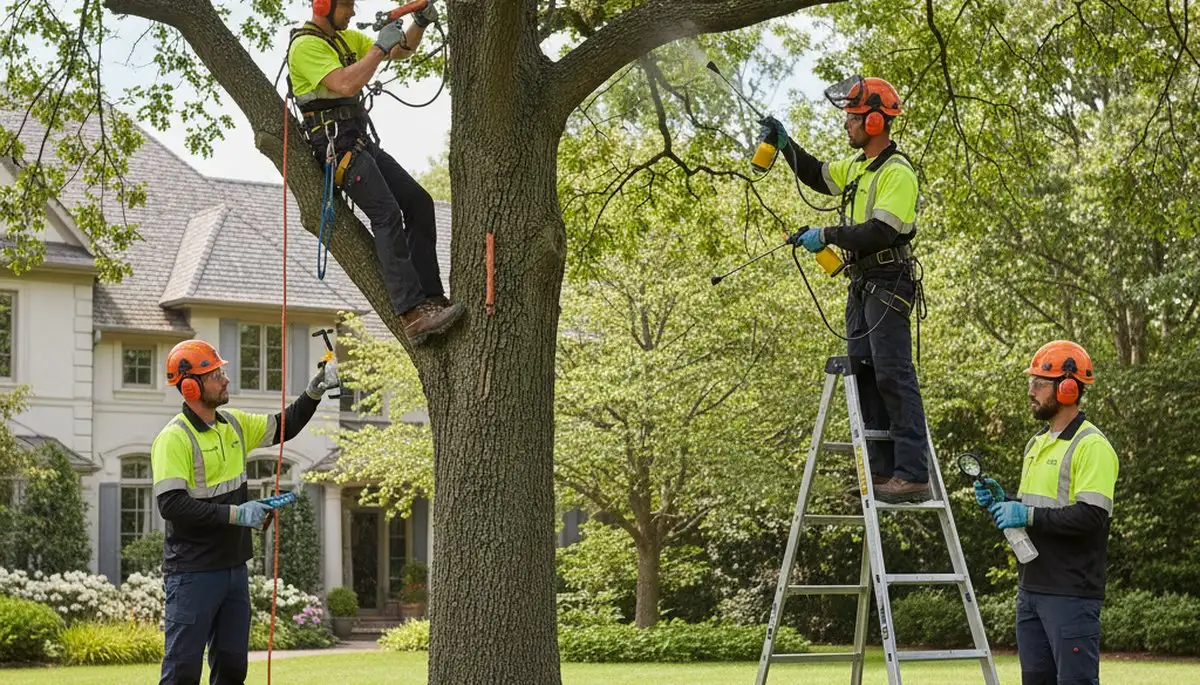
Fort Worth, TX arborist treating tree disease for healthier trees and property protection

Start Planning Your Tree Care Project Today

Experienced arborists are ready to help.

Connect with reliable tree service contractors helping Fort Worth homeowners right away.

Free estimates for your project
Vetted local professionals
Fast responses from contractors

What Fort Worth Property Owners Say About Getting Help From Local Tree Pros

Honest feedback from Fort Worth property owners who used Arbor Tree Care to find trusted local tree care professionals.

We needed help finding someone to trim the drought-stressed trees along our back fence, and Arbor Tree Care made the search simple. The company we hired worked carefully and had everything in good shape before storm season.

Priya N.

We didn’t know where to begin when our aging cedar tree started leaning, but Arbor Tree Care connected us with a Fort Worth tree care professional quickly. The assessment was prompt, the price was fair, and our yard feels much safer now.

Aaliyah M.

Arbor Tree Care paired us with a local contractor who understood the tight access problems you often see on older Fairmount properties. The stump is fully gone, and we’re glad we reached out.

Carlos W.

After a windstorm damaged our large oak in Summerfields, Arbor Tree Care gave us three estimates fast. The contractor we picked handled the removal that same day, which was a huge relief.

Marcus T.

Locate Tree Services in Fort Worth, TX and Nearby Communities

Whether you’re in the long-established neighborhoods of North Richland Hills, the expanding suburbs of Burleson, or the more rural edges of Azle, Arbor Tree Care connects property owners across Greater Fort Worth with local tree care professionals. No matter the location, dependable help is close by.

Tree Service Coverage Across Fort Worth, TX ZIP Codes

Arbor Tree Care helps property owners throughout Greater Fort Worth find dependable local tree care pros.

  • Downtown Fort Worth, TX (76102)
  • Fairmount / Southside, TX (76104)
  • Mistletoe Heights, TX (76107)
  • Wedgwood, TX (76133)
  • Summerfields, TX (76119)
  • North Fort Worth, TX (76106)
  • Ridglea Hills, TX (76116)
  • Fossil Creek, TX (76137)
  • Meadowbrook, TX (76103)
  • Sycamore Heights, TX (76111)
  • Benbrook, TX (76126)
  • Arlington Heights, TX (76012)
  • Haltom City, TX (76117)
  • Keller, TX (76248)
  • Southlake, TX (76092)
  • Colleyville, TX (76034)
  • Euless, TX (76039)
  • North Richland Hills, TX (76180)
  • Watauga, TX (76148)
  • Azle, TX (76020)
  • Saginaw, TX (76179)
  • White Settlement, TX (76108)
  • Lake Worth, TX (76135)
  • Forest Hill, TX (76140)
  • Crowley, TX (76036)
  • Burleson, TX (76028)
  • Mansfield, TX (76063)
  • Everman, TX (76140)
What service are you looking for?
Expert

Prefer to Talk to An Expert?

(682) 990-9844

Common Questions About Tree Services in Fort Worth

Tree trimming, pruning, removal, and stump grinding in Fort Worth often involve local soil, weather, and property concerns. Find clear answers to the most common questions about upkeep, pricing, and the right approach for your landscape.

  • Fort Worth’s Blackland Prairie clay expands when it’s wet and contracts when it dries, which can put constant stress on tree roots. That movement may lead to leaning, weaker anchoring, and reduced stability in mature trees. Live oaks, cedar elms, and pecans can be especially affected. Regular inspections can reveal early root problems before they become a safety concern.

  • In Fort Worth, the most requested services usually include trimming to keep branches away from roofs and utility lines, pruning to manage dense canopies on older live oaks, removing dangerous limbs after storms, grinding stumps after a tree is lost, and taking out dead or declining trees. In places like Haltom City, Kennedale, and Crowley, older landscapes often create steady demand for this kind of work.

  • Well-cared-for trees can boost curb appeal and add practical shade, both of which matter in North Texas real estate. Buyers in communities such as Colleyville, Southlake, and Keller often value mature trees that look healthy and well managed. Trees that are neglected, damaged, or unsafe can also raise concerns during inspection and affect the strength of an offer.

  • Choose a company that is licensed, insured, and able to provide local references in Fort Worth, TX. Read reviews from nearby areas such as Burleson, Hurst, or Bedford, and compare at least three written quotes before deciding. It’s also wise to confirm that the crew carries liability coverage for both property damage and worker injuries.

  • Ask if the company understands Fort Worth’s rules for tree removal near utility easements. Make sure they can show current liability insurance and workers compensation coverage. You should also ask how debris cleanup and stump grinding are handled. On larger properties in areas like Azle, Haslet, or Westlake, it’s smart to ask whether extra charges apply for heavy equipment access because of lot size or terrain.

  • Four areas stand out for different reasons. Older parts of North Richland Hills have aging post oaks in tight lots that make equipment access difficult. Haltom City properties often have canopies growing too close to buildings. Areas around Naval Air Station JRB deal with trees exposed to strong winds and storm damage. In Euless, invasive Chinese tallow trees frequently crowd out native species.

  • A practical maintenance plan goes a long way: trim on a regular two- to three-year cycle, remove deadwood before storm season, spread mulch around the root zone to help hold moisture through summer heat, and take care of small issues before they turn into full removals.

  • Consistent deep watering during dry summer stretches, avoiding heavy foot traffic or equipment near the roots, pruning crossing limbs once a year, checking for oak wilt symptoms each spring, and adding mulch to help moderate soil temperature through hot and cold weather all support healthier trees over time.

  • Yes. Fort Worth has tree preservation rules that apply in certain zoning districts, especially where heritage or protected trees are involved. Properties in planned developments in areas like Grand Prairie, Arlington, and Willow Park may also be subject to HOA rules in addition to city requirements. Speaking with a local arborist before removing a large tree can help prevent fines or work stoppages.

  • For most Fort Worth trees, late winter from January through early March is the best time to prune. Trimming before spring growth begins can reduce stress and lower exposure to oak wilt spores, which are more active in warmer months. Live oaks should generally not be pruned from February through June unless a hazardous limb needs to come down. Homeowners in Newark, Saginaw, and Bedford should also plan work before the strongest spring storms arrive.

Professional tree trimming service in Fort Worth, TX for safe, expert tree care

Arbor Tree Care Tree Services

Arbor Tree Care offers homeowners a complete range of tree trimming, removal, pruning, and stump grinding solutions delivered with skill and attention to detail. Based in Fort Worth, TX and serving nearby communities, we make it easier to handle tree work with confidence.

Request a free quote or call us now!